Museo del Canal, Panama: On Cultural Diplomacy and Institutional BUILDING
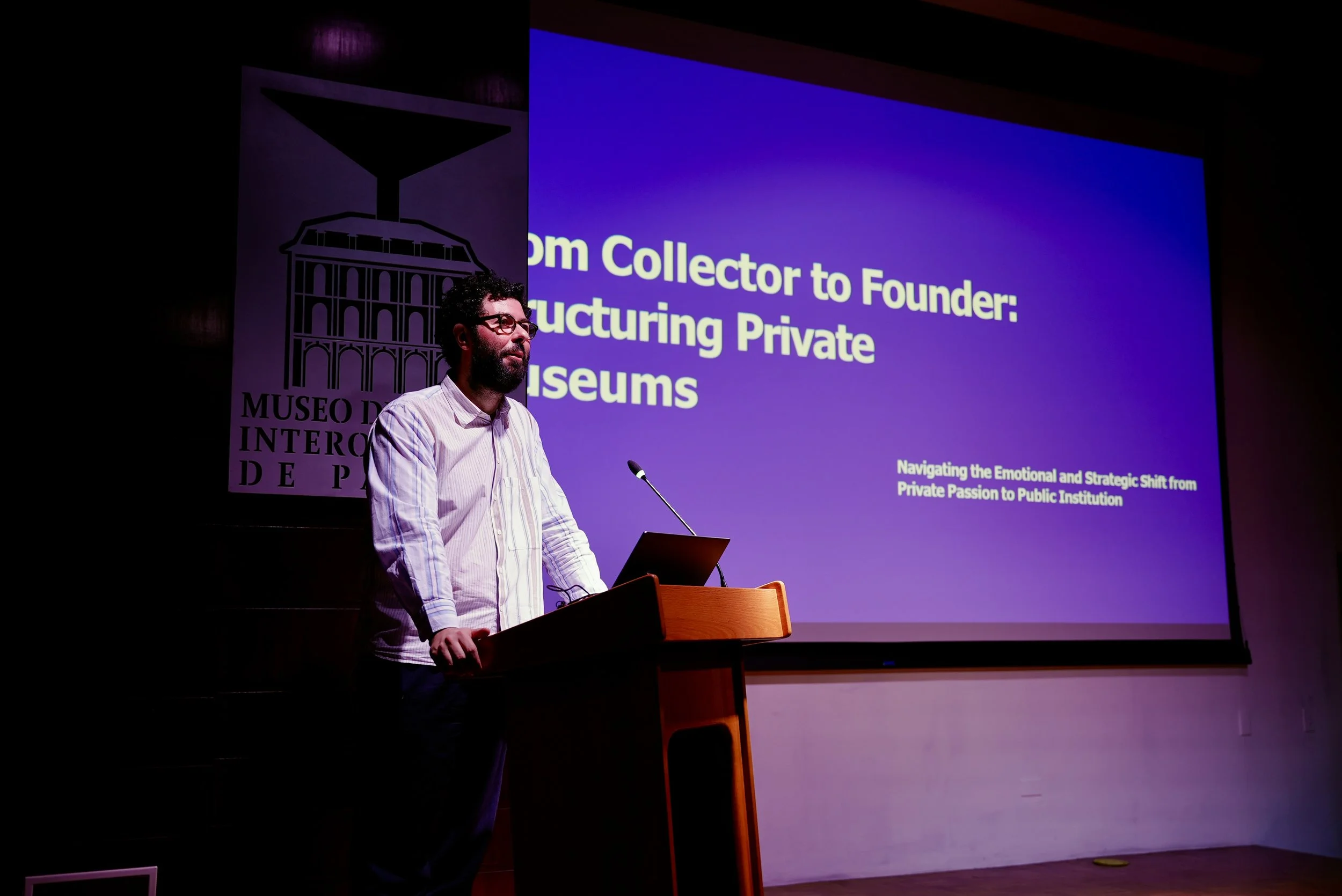
Photo courtesy Museo del Canal, Panama
From March 20 to 22, I had the pleasure of being in Panama during Pinta Panamá Art Week 2026, following Ambassador Giuditta Giorgio’s invitation to join her for a series of conversations at Museo del Canal. The visit brought together a number of themes that are central to my work and to many of the questions shaping cultural practice today: cultural diplomacy, institutional development, and the international promotion of Italian art.
What made the experience especially meaningful was the opportunity to engage with these ideas not in the abstract, but through direct exchange with artists, curators, cultural leaders, and members of Panama’s institutional community. In a moment when the cultural sector is being asked to do more, often with fewer resources and under increasingly complex conditions, these conversations felt both timely and necessary.
During the visit, I participated in a forum hosted by Ana Elizabeth González, alongside Gladys Turner Bosso and Mónica Kupfer, where we reflected on how artists gain visibility on the international stage and what it takes to sustain that presence over time. The conversation naturally touched on the ecosystems that make this possible: curators, institutions, governments, and the networks of support and collaboration that allow cultural work to travel, resonate, and remain relevant across contexts.
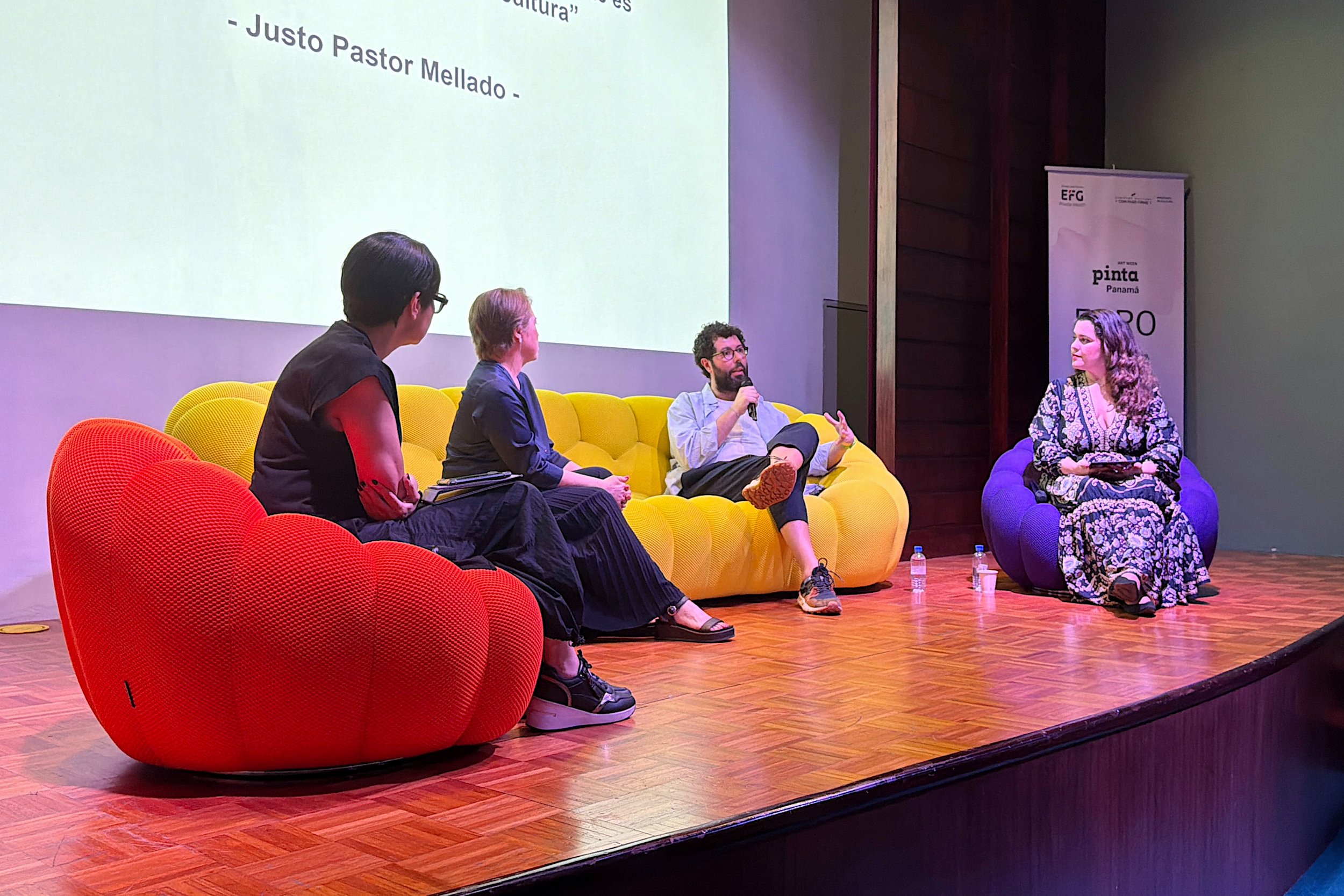
Photo courtesy Italian Embassy in Panama
These are questions that matter deeply, particularly for countries and artistic communities navigating how to position themselves within broader global conversations without losing specificity, integrity, or connection to place. Visibility alone is never enough. What matters is how that visibility is built, who sustains it, and whether it leads to deeper forms of exchange and understanding.
I also gave a presentation on the transition from private collection to museum, and the strategic, curatorial, and institutional vision needed to accompany that process over time, with an emphasis on long-term sustainability and cultural dialogue. This is a subject that continues to interest me because it sits at the intersection of ambition and responsibility. The transformation of a private initiative into a public-facing cultural project is never only a matter of space, resources, or collection. It requires clarity of mission, coherence of vision, and a serious commitment to public value.
Museums today are asked to be many things at once: places of care, interpretation, scholarship, access, and civic relevance. For that reason, building or evolving an institution demands more than enthusiasm or good intentions. It asks for long-term thinking, thoughtful governance, a clear programmatic direction, and a willingness to imagine how a project can remain meaningful over time, both locally and within wider cultural conversations.
One of the reasons I value opportunities like this is that they reaffirm something I have long believed: cultural diplomacy is not simply a matter of representation. It is a practice of building trust, strengthening institutional relationships, and creating the conditions for lasting collaboration. At its best, it is not promotional in the narrow sense, but generative. It opens channels between people, between organizations, and between different ways of understanding culture’s role in public life.
Panama offered a vivid reminder of this. The conversations at Museo del Canal were grounded in local realities, but also open to wider questions about exchange, partnership, and institutional imagination. That combination is what made the visit so compelling. It was not only an opportunity to speak, but to listen, to learn, and to deepen a dialogue that I hope will continue well beyond the event itself.
I left Panama grateful for the generosity of the invitation, the quality of the conversations, and the connections that emerged over those days. I am especially thankful to the Embassy of Italy in Panama for its generous hospitality and for creating the conditions for this exchange to happen.
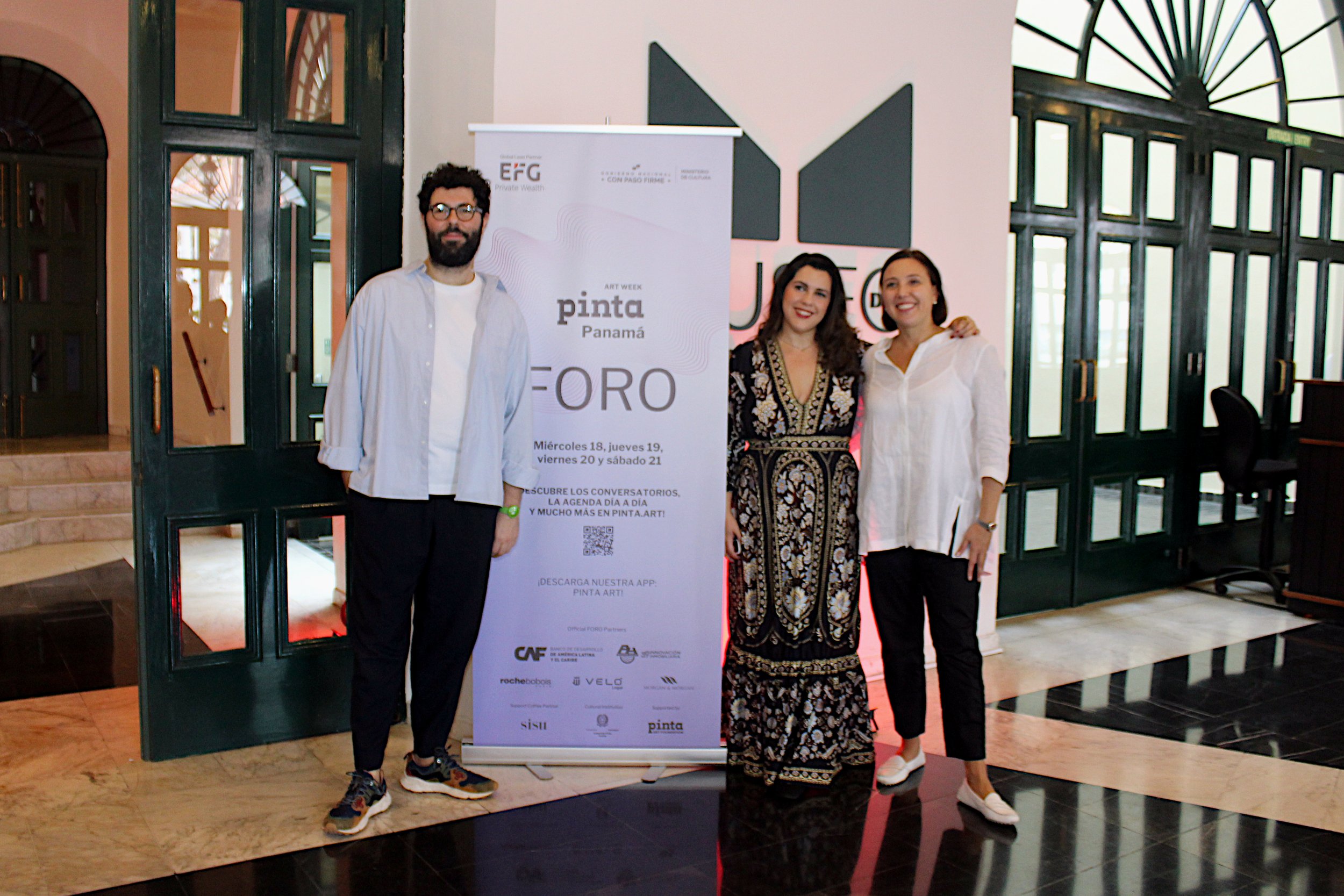
Photo courtesy of Italian Embassy in Panama
Experiences like this are a reminder that cultural cooperation is built gradually, through relationships, curiosity, and the willingness to remain in conversation. That is often where the most meaningful work begins.